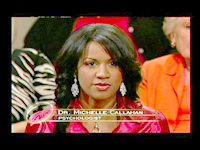
Parents, are you dreading the day when you have to sit down with your child and have “the talk?” Dr. Michelle Callahan, psychologist and parenting expert, recently visited the Rachael Ray show to explain that you’re not alone. “We’ve been through the sexual revolution and everybody should feel more comfortable [about sex],” she says, “but when it comes to talking about it to our kids, we still clam up, we still get very nervous and just feel like, ‘Oh, how am I going to do this?’ We need to just relax.”
Dr. Michelle says that even if you’ve put off discussing sex and now your child is a teenager, it’s never too late to get the conversation started. “The first words out of your mouth should be ‘Hey, how are things going at school?’” she suggests. “And then you follow that up with, ‘How are things going with your girlfriend?’; ‘How are things going with the ladies?’” Questions such as those are good ways to ease into the subject, but do not say “sex” right off the bat. “You don’t want to make them get all nervous,” Dr. Michelle warns. “And you don’t want to get embarrassed. You want to feel relaxed, so start the conversation slowly then introduce the concept of sex.”
Dr. Michelle advises to be prepared before you talk (make yourself some notes, if necessary), so that you’re not caught off guard. “Don’t let him ask you a question that puts you in a moral dilemma where you don’t know what to do,” she says. “Don’t let him shut you down. Don’t get intimidated, don’t let him make you back down; stay focused, stay on it, and even though it feels awkward, just keep going.”
If you find having the conversation so embarrassing that you avoid it altogether, Dr. Michelle explains that you could be doing you and your child a great disservice. “Hoping that your kids are going to figure it out on their own is how not to talk to your kids about sex,” she says. “You have to tell them what’s going on because they come up with all these misconceptions. There was a study done on 14- to 18-year-old girls and they actually thought that by jumping up and down that you could avoid getting pregnant after sex. There’s information out there that confuses kids so you want to be the source of that knowledge; don’t rely on anyone else to take care of it for you.”
Parents, are you dreading the day when you have to sit down with your child and have “the talk?” Dr. Michelle Callahan, psychologist and parenting expert, visited the Rachael Ray show and offered advice to parents on when and how to discuss sex with your children.
In her leopard-print shirt and plumped-up ottoman pout, soap star Lisa Rinna tells CBS news, “I lost my sex drive.” It seems we now have our own female Bob Dole.
If you’ve never heard of hypoactive sexual desire disorder (HSDD), check out a site called Sex Brain Body, where Rinna is featured. You’ll learn that while the cause of low libido is unknown, the brain’s neurotransmitters are thought to play a role. You have to read the fine print to make out the astroturfing (“with the support of sponsorship from Boehringer Ingelheim Pharmaceuticals.”) What’s interesting is how this sex- brain-body campaign (also check out the Discovery Channel’s series on female sexual dysfunction) is being rolled out before the star is born. That would be the HSDD drug Boehringer Ingelhiem has developed for young women—it works on the brain—which will go before the FDA on June 18th for approval.
I wouldn’t have known anything about it, had I not gone to a screening of Orgasm Inc., a documentary about another drug company trying to come up with the next female Viagra. Several people from Boehringer Ingelheim were there to check out the climate. Let’s just say, it was testy.
“I think the Boehringer Ingelheim campaign is unethical,” says Karen Hicks, PhD, a spokesperson for The New View Campaign, which is trying to block the drug’s approval. “Even though they don’t mention the drug on the site, and the quality of the information they have about HSDD—if you believe in it—is quite good, this is totally premature.”
Should this sex drug pass? I don’t have the answer, but I know we should be asking the questions:
Read more…
Dr. Michelle is the new “Sex and Relationships” columnist and expert for Women’s Health Magazine. Each month in both the magazine and online at www.WomensHealthMag.com, Dr. Michelle answers readers’ questions about sex, love and relationships. You can even submit your own question to Dr. Michelle and your question may appear in her column.
Click here to read this month’s advice column.
Click here to submit your question to Dr. Michelle at Women’s Health.
There are many ways to make a marriage work and be successful. Each couple will have their own understanding and expectations. What may work for your parents or friends may not work for you, so it’s most important that you and your future spouse are in agreement on how your relationship will work. Below are the key areas you should think about before getting married and important questions you should answer before you take a walk down the aisle. How you choose to address each issue is up to you, as long as the two of you can agree on how things should work.
Whatever you do, don’t expect people to change their feelings about important issues like sex, religion or children after you get married. If your partner is telling you that they don’t want to have kids, don’t think that getting married will change their mind. If you aren’t comfortable with their current position on certain issues, you shouldn’t plan to walk down the aisle until you are satisfied with your future spouse’s position on things. Of course things may change, but don’t count on it.
I’ve talked to countless couples on Wedlock or Deadlock who foolishly believe that love and marriage will magically solve their problems. Do your homework first and have these often difficult conversations before you make a lifetime commitment. The last thing you want to do is look back and be angry with yourself because you knew that you and your partner weren’t compatible in certain ways but you ignored that information anyway. Even if you and your partner don’t agree on all things, if you can find a way to understand each other and compromise you still have a chance to find “wedlock.”
Finances
You and your future spouse should discuss your current debt and your future financial goals. Are you spenders or savers? What is your plan for how you will pay your monthly bills, pay down your debt and save for retirement? Are you going to combine your money or maintain separate accounts? Do you plan to check-in with each other before you buy certain things or limit how much you spend individually considering your shared expenses?