
Update: This blog was originally written after the incident of violence between Chris Brown and Rihanna in 2009. Now, this week in 2012, Chad Johnson was arrested on misdemeanor domestic battery for headbutting his newlywed wife, Evelyn Lozada. It seems like most people almost never discuss domestic violence until it happens to a celebrity couple. […]
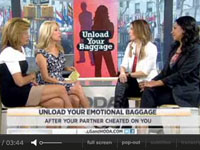
Dr. Michelle Callahan and Women’s Health Editor-in-chief Michele Promaulayko were guests on The Today Show discussing the pitfalls of lingering romantic baggage in new relationships. They discuss what to do (and not to do!) in new relationships if you’ve previously dated someone who had temper issues, was over-critical, or who wasn’t faithful. Watch the clip […]

NEWS RELEASE “106 & PARK” Talks Teens and Parenting with Special Episode “Young, Single & Parenting” on Monday, January 30, 2012 at 6 PM SPECIAL GUEST APPEARANCES BY DR. MICHELLE, DR. TARTT, RAPPERS DON TRIP (“LETTER TO MY SON”) AND TRAY CHANEY (“FATHERHOOD”) NEW YORK, Jan. 26, 2012 /PRNewswire/ — On Monday, January 30, “106 & […]
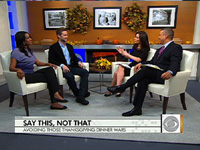
During the holidays most of us want to spend time with friends and family, while at the same time avoiding the negative comments and unnecessary disagreements that often come with these celebrations. Here are my five rules on what to say/not say to loved ones during holiday gatherings. Follow these rules to avoid problems or […]

After three years, my husband has a tumultuous battle with substance abuse. I have been supportive through al-anon and several treatment facilities during this period. I have had enough and I put him out of the family home (with a great deal of guilt!). I couldn’t ask for a more loving partner except for the fact that, when he relapses, he will lie, cheat and steal from anyone, including those who are closest to him. Of course, I love him, but I would like to know if this is the appropriate “tough love” technique to take?